
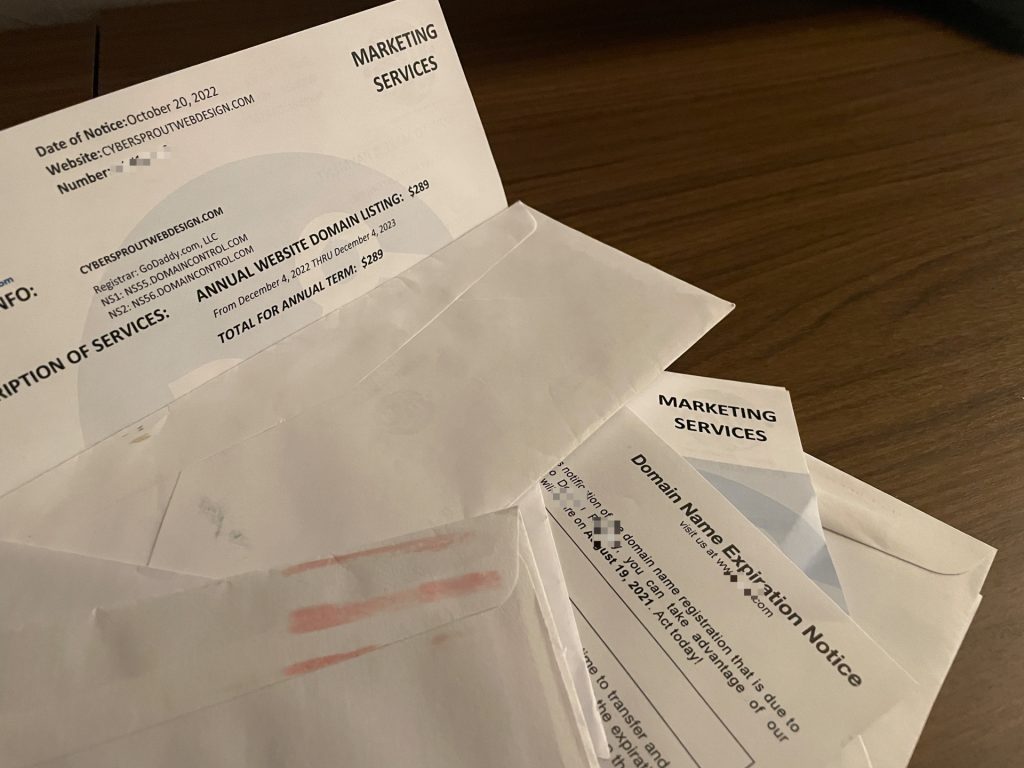
Did you receive a confusing letter in the mail for your domain renewal from an unfamiliar company? You’re not alone.
We manage hundreds of domains on behalf of clients so we end up as the recipients of these deceptive letters. These letters are formatted to look like you’re simply renewing your domain. Instead, this is an attempt to transfer your domain from your current registrar to their registrar.
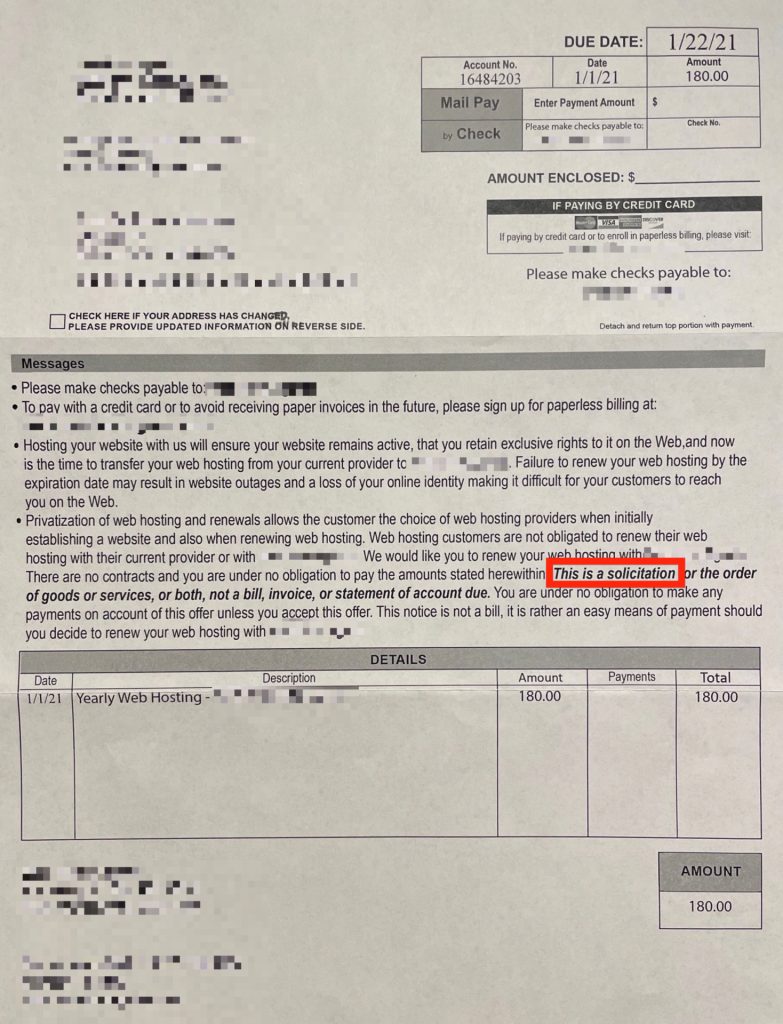
How can you tell if this domain letter is legit? The biggest telltale sign is that these letters all include something like “this is not a bill” or “this is a solicitation.” By including these disclaimers these letters are merely more marketing spam, but not an illegal scam.
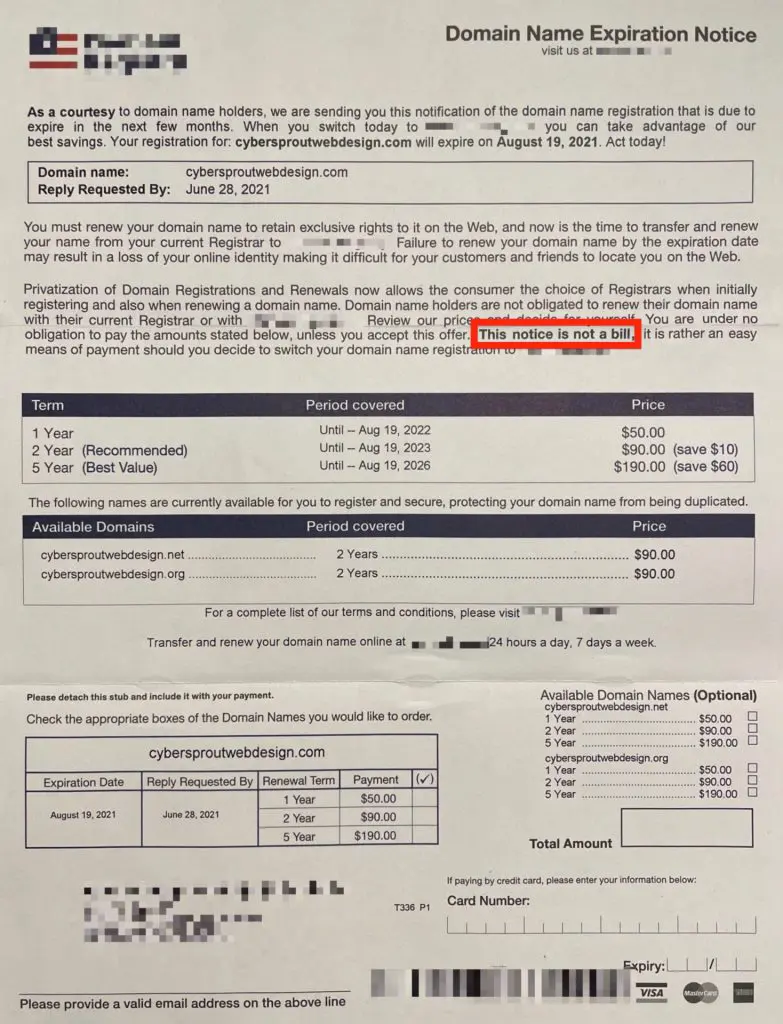
Table of Contents
Where is My Domain Registered?
Every domain has a public WHOIS record that anyone can look up. This is part of the reason these letters work so well. They contain information from this public record to make the letter look personalized for you.
If you are unsure where your domain is registered, I’d start by first looking through your email for a domain renewal receipt and asking your team. If you use an IT service, many times they will fully manage this for you or will be able to confirm where it is registered.
The ICANN domain lookup is your best bet if you’re still hitting a roadblock in your search. ICANN is a non-profit that is ubiquitous with domain security so you can trust this resource.
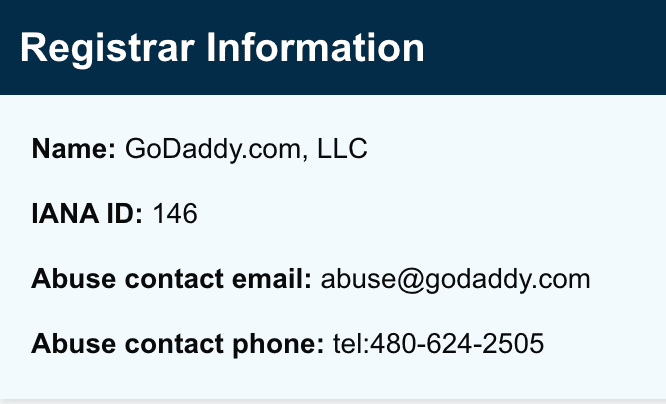
All you need to do is visit their website and run a lookup for your domain. It will return the public record with a lot of info. Look for the “Registrar Information” to find your registrar.
It is possible that this info will be blocked if the domain registration was set to private when you acquired it.
Reasons to Avoid this Type of Domain Transfer
Why does all of this matter? It is possible these domain services do a solid job but I’d highly recommended vetting them first. Search around for independent reviews to gain some insight into the company’s performance, reliability, and support.
The big issue, in my opinion, is the very high renewal cost. The vast majority of domain renewals are in the $10-50 range. The spam services can be hundreds of dollars. And you might be locked in for a number of years paying these high rates.

Hosting and Domain Listing Spam
This type of direct-mail campaign isn’t just for domain renewals. We’ve seen the same general concept applied to website hosting and domain listing services. Check out the two examples below.